

Tongue Ties, Airway, & Sleep
Improve Your Life With Expert Treatment
Find Help for Hoboken Tongue Ties, Airway, & Sleep Issues
Sleep disturbances, breathing difficulties, and daytime exhaustion can often be traced back to underlying oral conditions like tongue ties or restricted airways - a connection that frequently goes unrecognized. These issues can significantly affect your daily functioning, from disrupted sleep and snoring to persistent tiredness and poor concentration.
Our practice offers specialty care for diagnosing and treating issues with tongue ties, airway, and sleep in Hoboken. We take a holistic approach, examining how these conditions interconnect. Our thorough treatment often includes:
- Assessment of your airway dimensions and the impact on breathing during sleep
- Measurement of any airflow restrictions that may contribute to sleep disorders and fatigue
- Offering at-home sleep studies to evaluate sleep quality
- Examining the relationship between oral health and airway function, as these systems are closely linked
- Customized treatment strategies to enhance both breathing ability and sleep quality
- Removal of tongue ties

Get Care for Your Unique Needs
Our practice addresses issues with restricted breathing, TMJ problems, and tongue ties that impact your well-being. We also use state-of-the-art equipment to provide comprehensive care focused on sustainable results rather than temporary solutions.
Rather than simply cutting tissue, we perform functional frenuloplasty to properly release tongue ties. This sophisticated surgical technique aims to enhance speech, swallowing ability, and breathing patterns. For sleep disorders, jaw misalignment or TMJ disorders, we offer non-surgical treatment options, including specialized devices and patient education.
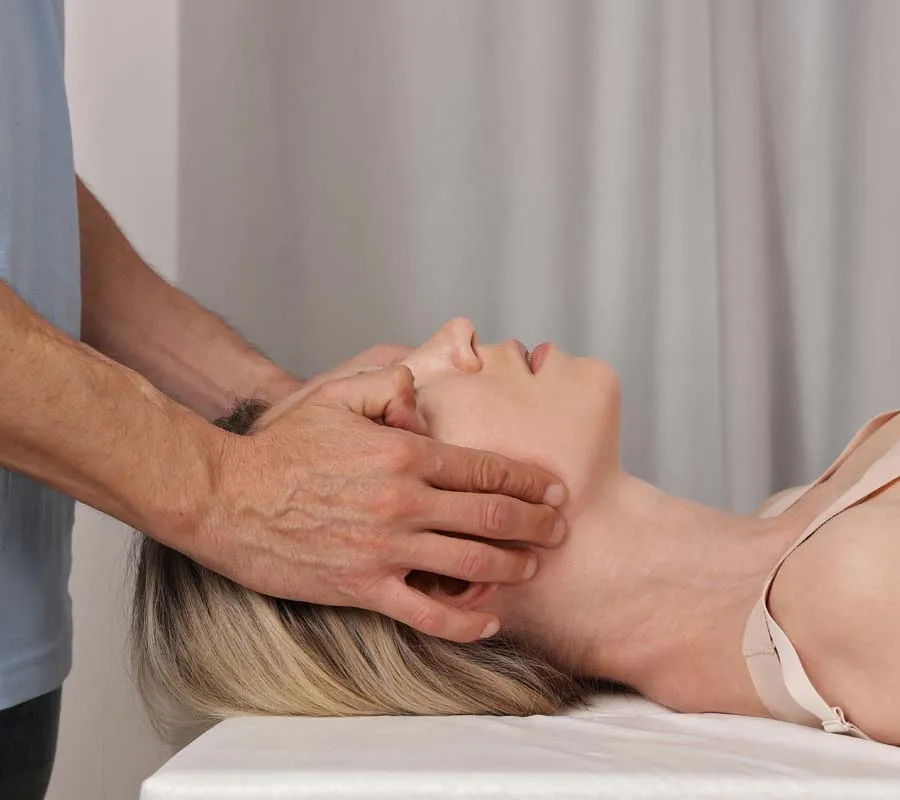
Complete Your Treatment With Rehabilitation
Myofunctional therapy is rehabilitation for your oral and facial muscles, similar to how physical therapy strengthens muscles after orthopedic procedures. These specialized exercises are designed to retrain oral function following tongue-tie release.
We work with myofunctional therapy specialists who provide customized exercise programs to improve breathing patterns, swallowing function, and speech clarity. By combining surgical expertise with therapeutic support, we help patients see measurable improvements in their oral functions and daily activities.
For help with tongue ties, airway, and sleep in Hoboken, contact Hoboken Oral Surgeons today.
Frequently Asked Questions About Tongue Ties, Airway, and Sleep
What are the signs I might have a tongue tie?
Common signs of a tongue tie include difficulty sticking your tongue out past your lips, trouble lifting your tongue to the roof of your mouth, and speech challenges with certain sounds. You may also experience neck tension, problems with swallowing, frequent mouth breathing, teeth grinding, jaw pain, or difficulty eating certain foods. Sleep issues and chronic headaches can also indicate a tongue tie.
How does a tongue tie affect sleep and breathing?
A tongue tie can restrict proper tongue positioning, forcing it to sit low and back in the mouth. This can narrow your airway and impair breathing during sleep, potentially leading to issues like snoring, sleep apnea, mouth breathing, and poor sleep quality. The restricted tongue movement may also affect your ability to maintain healthy breathing patterns throughout both day and night.
What is functional frenuloplasty, and how does it differ from traditional methods?
Functional frenuloplasty is an advanced surgical technique that goes beyond the simple "clip-and-snip" approach of traditional procedures. This comprehensive method releases the full extent of restricted tissue while preserving important nerve and muscle functions. The procedure focuses on restoring optimal tongue mobility and function to improve breathing, speaking, and swallowing long-term.