

Dental Implant Revision Surgery
Renew Your Smile & Self-Esteem

Dental Implant Revision Surgery in Eastchester Brings Back Oral Health
Dental implants are built to provide lasting support, but problems can sometimes affect their comfort, stability, or function. Dental implant revision surgery in Eastchester, NY addresses these concerns and helps protect your implant and surrounding tissues. Careful planning and advanced imaging help identify the cause of the problem and guide the right treatment.
Dental implant revision surgery may help:
- Strengthen support around an unstable implant
- Improve the placement or position of an implant
- Treat problems involving the gums or jawbone
- Improve how the implant restoration looks and functions
- Protect the health of nearby teeth and tissues
- Reduce the risk of further implant complications
Timely care can help preserve your oral health and support better long-term results.

Find the Cause & Build a Clear Path to Better Implant Health
Dental implant problems can develop for several reasons. An implant may sit at an angle that affects the bite, or changes in the jawbone and gums may weaken its support. Pain or trouble chewing can also signal a concern that needs attention.
A detailed exam helps determine what is happening below the surface. Digital imaging and 3-D scans provide a clear view of the implant, jawbone, and nearby tissues.
Based on these findings, treatment may include adjusting the implant position, rebuilding areas of bone loss, or improving gum tissue support. In some cases, the area may need to be prepared for another procedure. This careful approach helps create a treatment plan based on your specific needs.
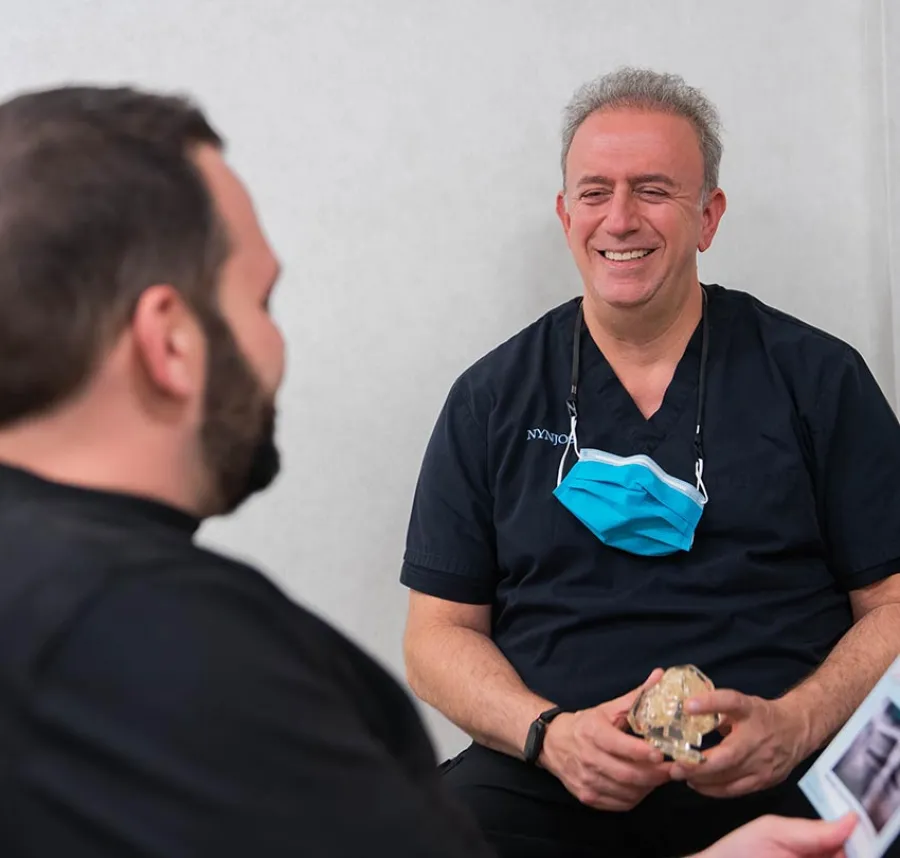
Stay Comfortable While Protecting Bone & Gum Tissue
Careful surgical planning can help correct implant concerns while preserving as much healthy bone and gum tissue as possible. Advanced technology gives your oral surgeon detailed information about the treatment area before the procedure begins. This allows each step to be planned around your anatomy and oral health needs.
IV sedation can help you remain relaxed and at ease while your procedure is completed. Throughout treatment, your care team carefully watches your comfort and safety as the surgeon works to correct the implant issue.
Set up a consultation for dental implant revision surgery in Eastchester, NY and learn which treatment approach may help restore comfortable function. Having implant concerns examined early can help limit further changes to the surrounding bone and gum tissue.
Frequently Asked Questions About Dental Implant Revision Surgery
What is dental implant revision surgery?
When is dental implant revision surgery needed?
How does an oral surgeon plan dental implant revision surgery?
What procedures may be part of dental implant revision treatment?
Can bone grafting be performed during dental implant revision surgery?
Is sedation available for dental implant revision surgery?
Sedation may be available during dental implant revision surgery to make the procedure more comfortable. IV sedation can help patients feel deeply relaxed while treatment is performed. The care team monitors important signs throughout the procedure. The type of anesthesia or sedation recommended will depend on the planned surgery, medical history, and individual needs.
How long does recovery take after dental implant revision surgery?
Recovery after dental implant revision surgery depends on the type and extent of treatment performed. A minor procedure may require less healing time than implant removal or bone grafting. Swelling, soreness, and tenderness can occur during early recovery. Following aftercare instructions and attending follow-up visits can help support proper healing.
Can dental implant revision surgery save a failing implant?
Dental implant revision surgery may help preserve an implant when the problem can be corrected and enough healthy bone and tissue remain. Some implants cannot be saved due to severe bone loss, infection, damage, or other concerns. A complete evaluation helps determine whether repairing the implant or removing it offers the better path for long-term oral health.