

Failed Dental Implant Removal
Set the Stage for Long-Term Oral Health
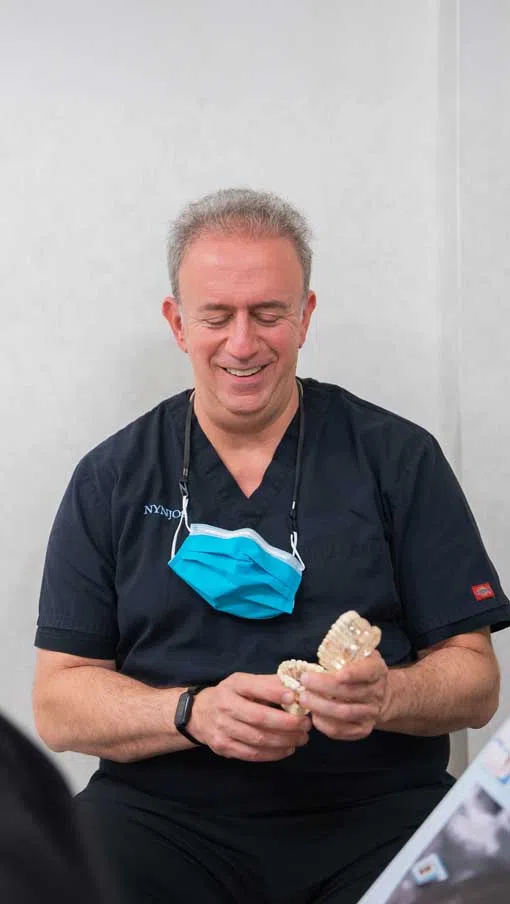
Save Your Smile With Failed Dental Implant Removal in Eastchester
Failed dental implant removal in Eastchester, NY can address an implant that has become loose, painful, infected, or unable to function as it should. Although dental implants have a high success rate, problems can develop when an implant does not heal properly or complications affect it over time.
Removing a problem dental implant can relieve discomfort, address infection and inflammation, and help protect healthy bone and nearby tissues. Treatment can also prevent the problem from causing further damage to your oral health.
Careful surgical planning and advanced technology allow the implant to be removed while protecting surrounding structures. This process can create a healthier foundation for future tooth replacement and support better long-term oral health.

Protect Healthy Bone to Address Any Implant Problems Early
Dental implant problems can develop because of infection, poor healing, limited bone support, a damaged implant, or too much pressure on the area. Warning signs may include swelling, tenderness, bleeding, or movement around the implant. In some cases, an issue is found during a dental exam before clear symptoms appear.
A detailed evaluation helps determine whether the implant can be treated or should be removed. Advanced imaging gives your oral surgeon a clear view of the implant, jawbone, and nearby structures.
When removal is needed, treating the problem early can limit further bone loss, protect surrounding tissues, and reduce the chance of more complex oral health concerns.

Build a Stronger Foundation for Future Tooth Replacement
Removing a failed implant does not always mean you cannot receive another tooth replacement. Once the problem implant is removed, your oral surgeon can evaluate the site and determine what care may help restore a healthy foundation.
Bone grafting may be recommended when the jaw needs added support before another implant can be considered. Local anesthesia keeps the treatment area numb, and IV sedation may be available to help you stay relaxed. Your care team will also provide instructions for protecting the surgical site as it heals.
Plan a consultation for failed dental implant removal in Eastchester, NY to learn about treatment options to restore your oral health.
Frequently Asked Questions About Failed Dental Implant Removal
What are the common reasons for failed dental implant removal?
What are the signs that a failed dental implant may need removal?
How is a failed dental implant removed?
Is removing a failed dental implant painful?
How long does recovery take after failed implant removal?
Can bone grafting be performed after dental implant removal?
Bone grafting may be performed after dental implant removal when the jawbone needs added support. In some cases, grafting can be completed when the implant is removed. Other situations may require the area to heal first. The amount of remaining healthy bone and the presence of infection help determine the best timing for treatment.
Can I get another dental implant after failed implant removal?
A new dental implant may be possible after failed implant removal once the area has healed and there is enough healthy bone to support it. Bone grafting may be recommended when the jaw does not have enough healthy bone to support a replacement implant. When a new implant can be placed will depend on how well the area heals, the health of the surrounding tissues, and what caused the previous implant to fail.
Why is early treatment important for a failing dental implant?
Early treatment for a failing dental implant can help limit infection, bone loss, and damage to nearby tissues. Prompt evaluation can also determine whether the implant can be treated before removal becomes necessary. When an implant cannot be saved, timely removal may help preserve healthier conditions for future tooth replacement options.